
Infrared Camera Inspections vs. Traditional Methods: A Comparison


Understanding Infrared Camera Inspections
Infrared camera inspections are revolutionizing the way we assess buildings and infrastructure. By using thermal imaging, these cameras detect heat signatures, allowing inspectors to identify issues that are invisible to the naked eye. This technology is becoming increasingly popular due to its ability to provide detailed insights quickly and efficiently.
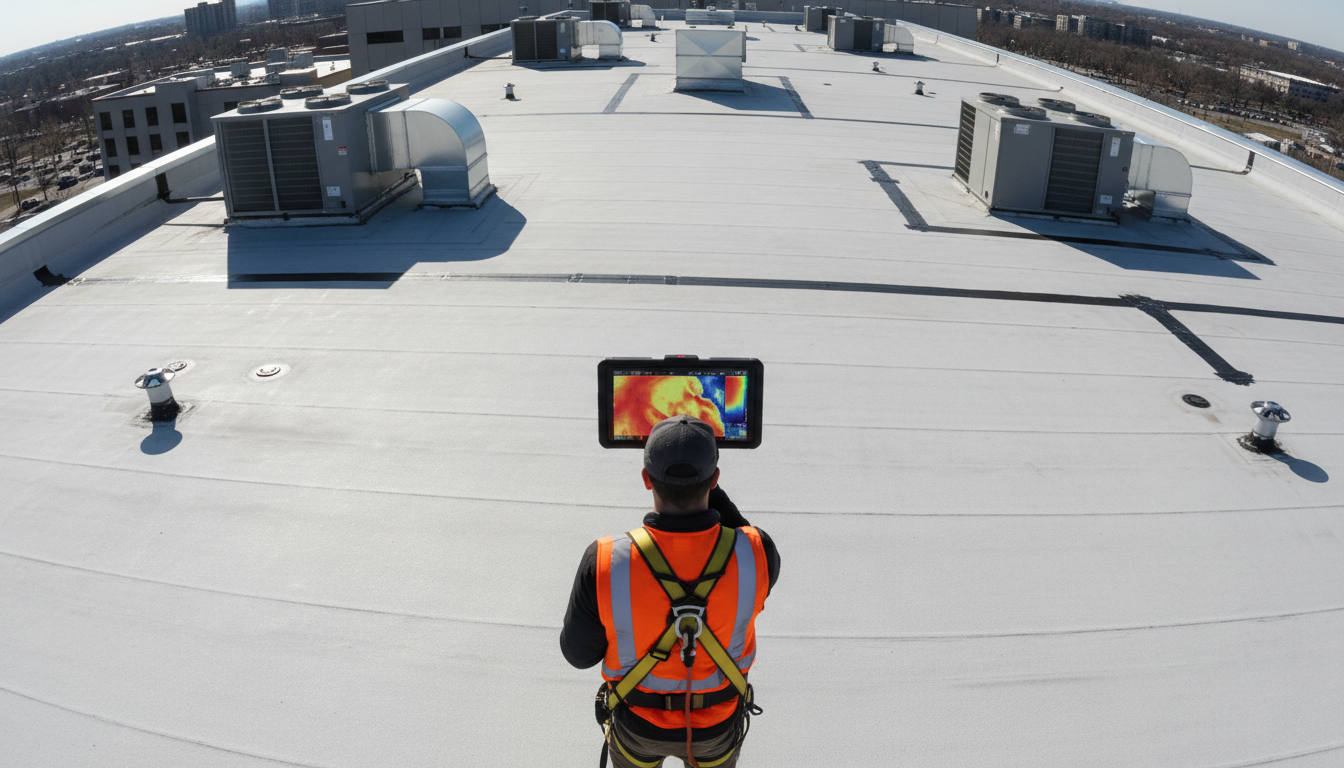
How Infrared Cameras Work
Infrared cameras capture the thermal energy emitted by objects, translating it into visible images. This allows for the detection of temperature variations that can indicate problems such as moisture intrusion, electrical faults, or insulation deficiencies. The ability to see beyond the surface makes infrared inspections a powerful tool in preventive maintenance.
Traditional Inspection Methods
Traditional inspection methods often rely on visual assessments and physical touch to identify issues. Inspectors might use tools like moisture meters, electrical testers, and their own experience to find problems. While effective, these methods can be time-consuming and may miss underlying issues that are not immediately visible.
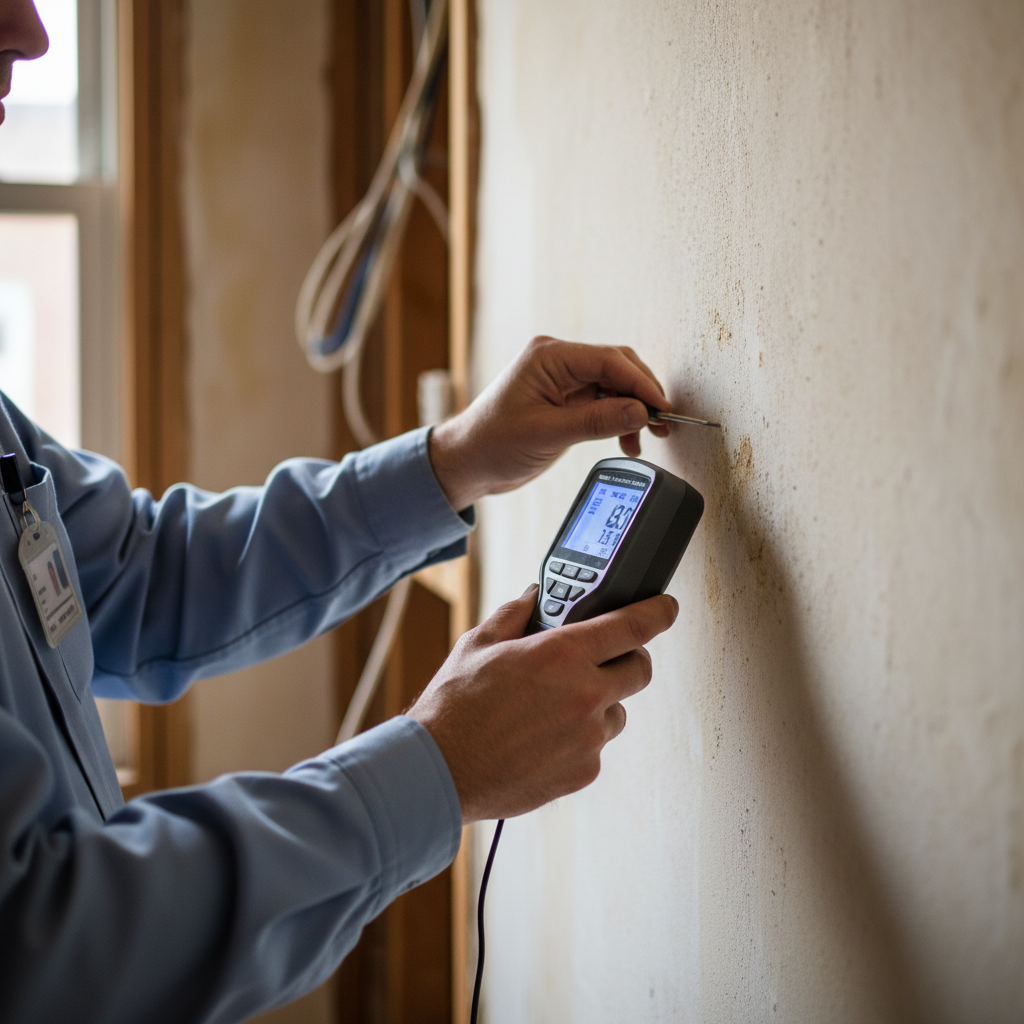
Limitations of Traditional Methods
One major limitation of traditional inspections is their reliance on surface-level observations. Hidden issues, such as leaks behind walls or electrical faults within wiring, can go undetected until they become severe. This can lead to costly repairs and safety hazards if not identified early.
Advantages of Infrared Inspections
Infrared inspections offer several advantages over traditional methods. They can quickly scan large areas, providing immediate feedback. This efficiency reduces inspection times and minimizes disruptions. Additionally, infrared technology can detect problems that might otherwise go unnoticed, allowing for proactive maintenance.
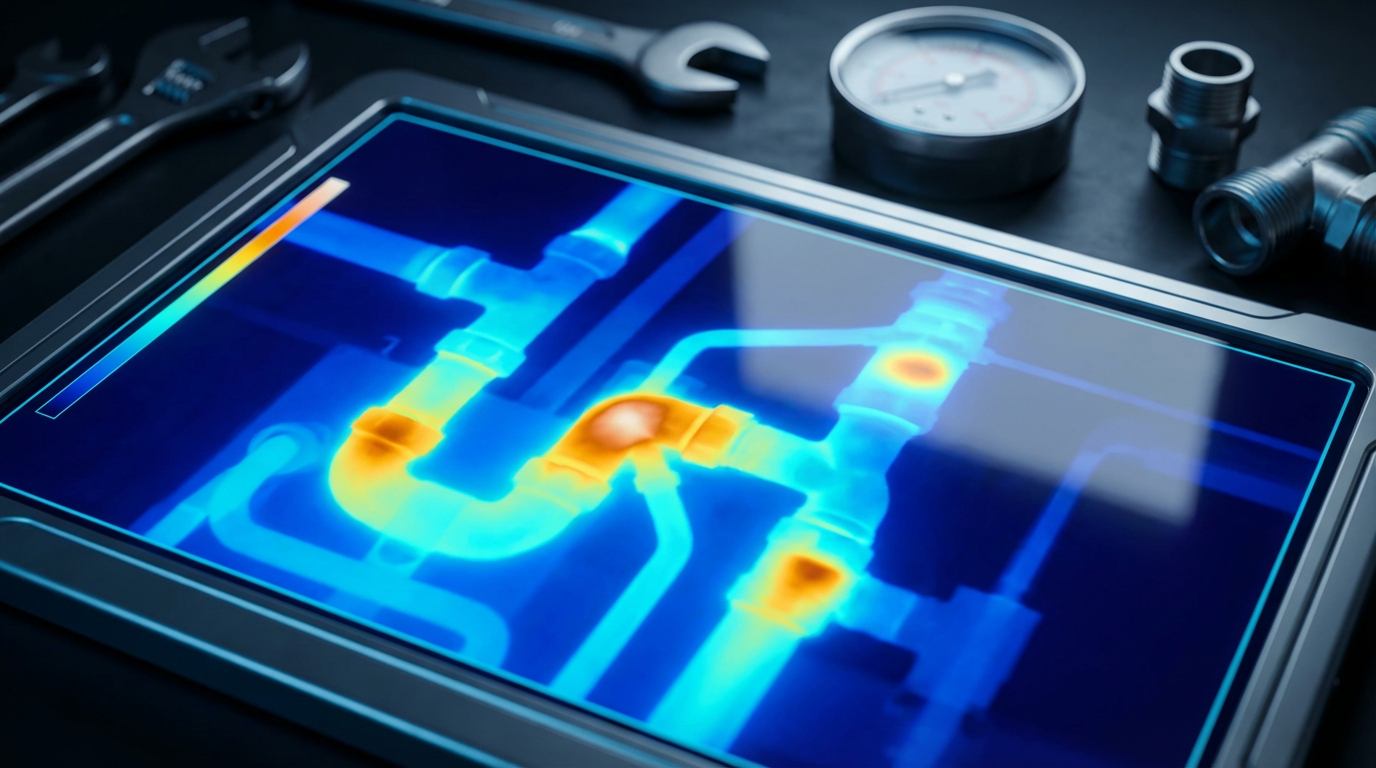
Cost and Efficiency
While the initial investment in infrared technology might be higher, the long-term benefits often outweigh the costs. Early detection of issues can prevent expensive repairs and extend the lifespan of equipment and structures. The efficiency of infrared inspections also translates into labor savings, as fewer man-hours are needed to conduct thorough assessments.
Choosing the Right Method
When deciding between infrared and traditional inspection methods, consider the specific needs of your project. Infrared inspections are ideal for complex structures and critical systems where early detection is crucial. For simpler assessments, traditional methods might suffice.
Integrating Both Approaches
In many cases, the best approach is to integrate both methods. Using infrared technology alongside traditional inspections can provide a comprehensive overview, ensuring that no detail is overlooked. This combined approach can enhance accuracy and reliability, ultimately leading to better maintenance outcomes.
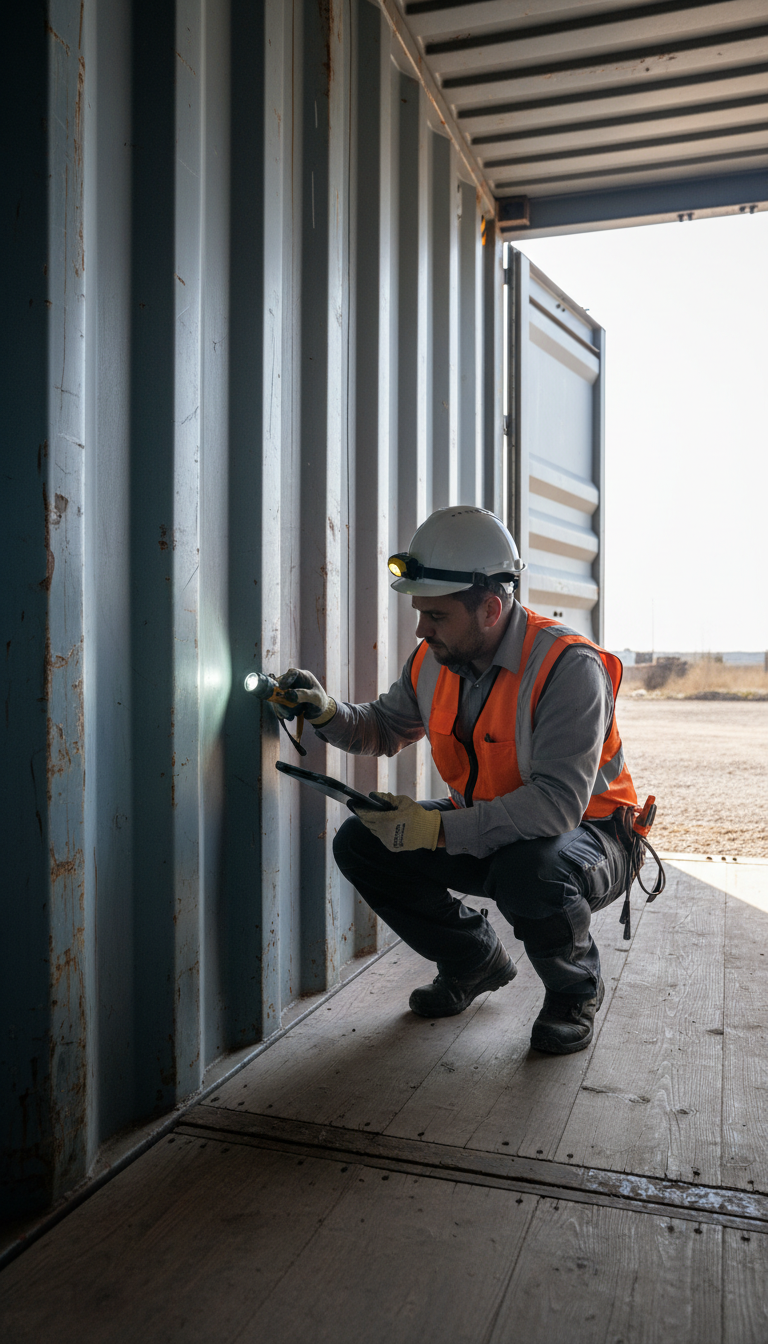
In conclusion, both infrared camera inspections and traditional methods have their place in modern inspection practices. Understanding their strengths and limitations can help you make informed decisions, ensuring the safety and efficiency of your projects.