Infrared Camera Inspections: Debunking Common Myths


Understanding Infrared Camera Inspections
Infrared camera inspections are a powerful tool for detecting issues in various settings, such as homes, commercial buildings, and industrial facilities. Despite their effectiveness, several myths persist about how these inspections work. By debunking these misconceptions, we can better appreciate the advantages of using infrared technology.
Myth 1: Infrared Cameras Can See Through Walls
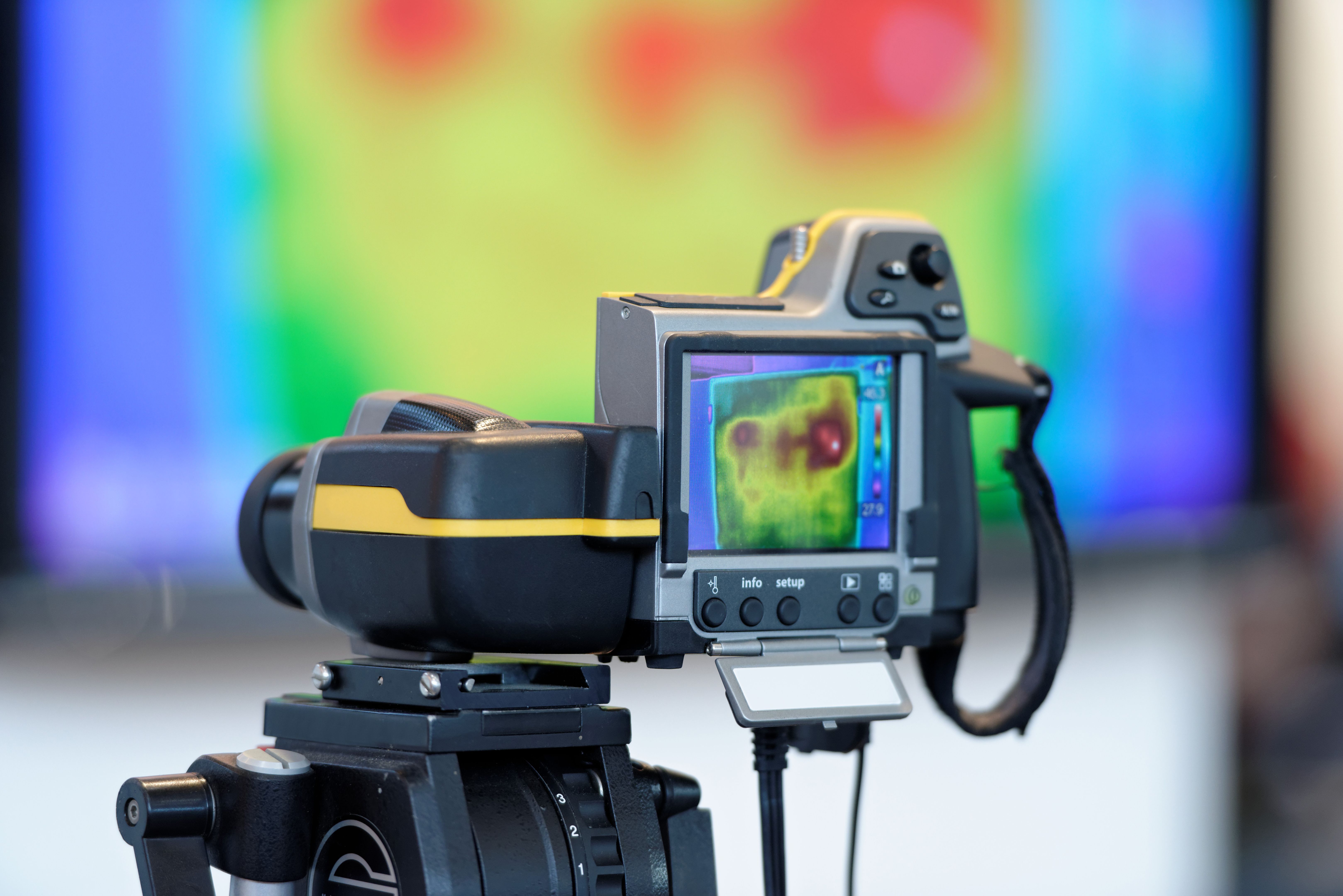
One of the most common myths is that infrared cameras can "see" through walls. In reality, these devices don't provide X-ray vision. Instead, they detect temperature variations on surfaces. This capability allows inspectors to identify anomalies such as heat loss, moisture intrusion, or electrical issues without invasive procedures.
Myth 2: Infrared Inspections Are Only for Large-Scale Projects
Another misconception is that infrared inspections are only beneficial for large-scale industrial projects. In truth, they are equally valuable for residential properties. Homeowners can use them to locate hidden water leaks, find missing insulation, and even detect pest infestations. This technology makes it accessible for everyone, regardless of the project size.
Myth 3: Infrared Cameras Are Infallible
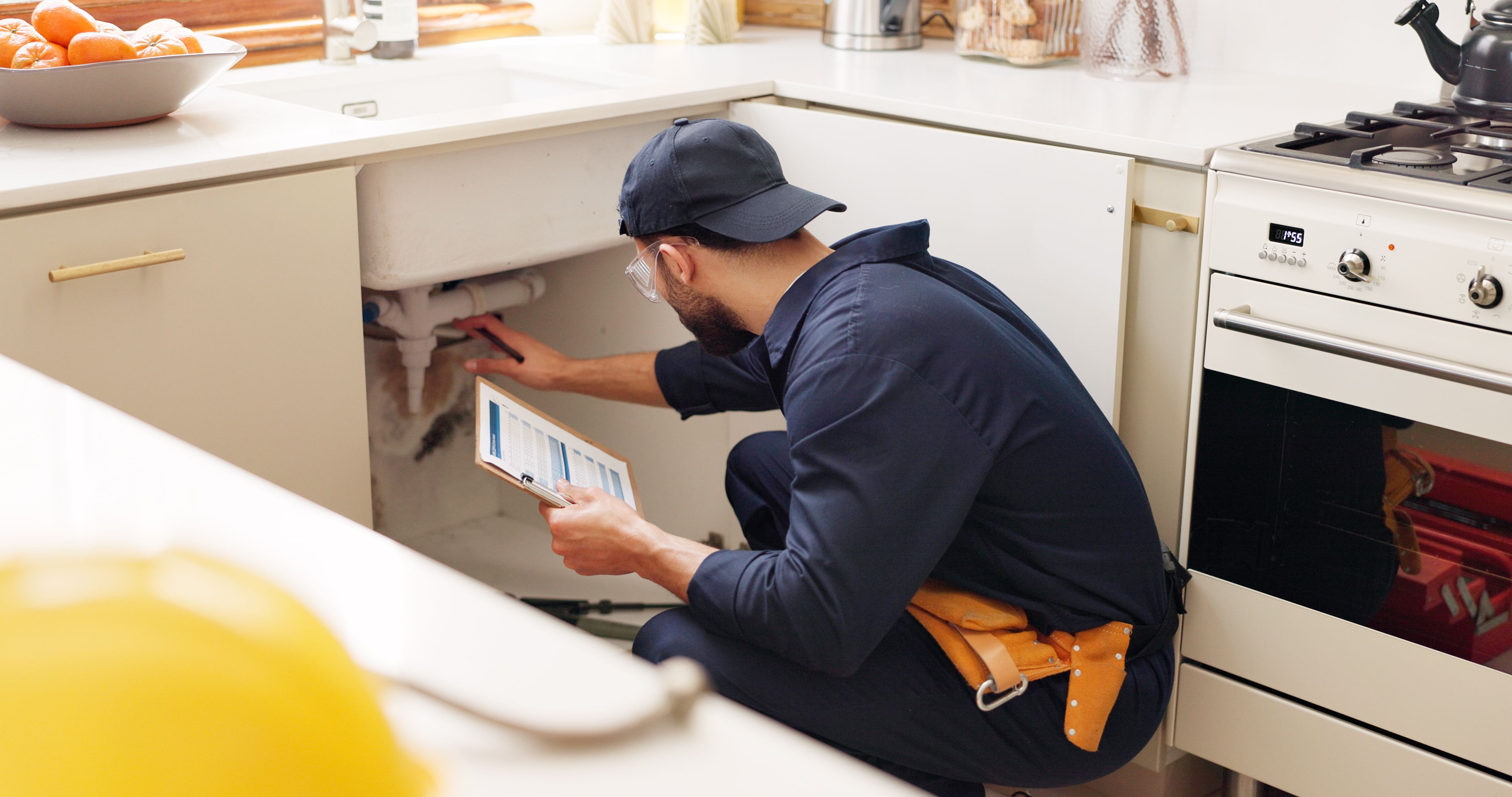
While infrared cameras are highly effective, they are not infallible. The accuracy of an inspection depends on the operator's expertise and the quality of the equipment. Proper training and experience are crucial for interpreting thermal images accurately. It's important to hire certified professionals to ensure reliable results.
The Benefits of Infrared Camera Inspections
Infrared camera inspections offer numerous benefits beyond debunking myths. They provide a non-invasive method to detect potential issues early, saving time and money on repairs. By identifying problems before they escalate, property owners can take proactive measures to maintain their assets.

Applications Across Various Industries
Infrared technology is versatile and applicable across various industries. In the electrical sector, it helps in identifying overheating components, which can prevent fires. In the plumbing industry, it detects leaks that are invisible to the naked eye. The HVAC industry uses infrared inspections to optimize energy efficiency by identifying faulty systems.
Choosing the Right Infrared Inspection Service
When selecting an infrared inspection service, consider the following:
- Certification: Ensure the inspectors are certified and experienced.
- Equipment: Check if they use high-quality, up-to-date infrared cameras.
- Reputation: Look for reviews and testimonials from previous clients.
By choosing the right service, you ensure accurate and reliable inspections.
Conclusion
Infrared camera inspections are a valuable asset for detecting issues in a variety of settings. By dispelling common myths, we can better understand the true capabilities of this technology and leverage its benefits effectively. Whether for residential, commercial, or industrial purposes, infrared inspections are a wise investment for proactive maintenance and safety.