
How Infrared Camera Inspections Work: A Deep Dive into Thermal Imaging


Understanding Infrared Camera Inspections
Infrared camera inspections, also known as thermal imaging, have become an essential tool in various industries. These cameras detect heat patterns and display them as visible images, allowing professionals to identify issues that are not visible to the naked eye. Whether in construction, electrical maintenance, or energy audits, the ability to see temperature variations can be invaluable.
The Science Behind Thermal Imaging
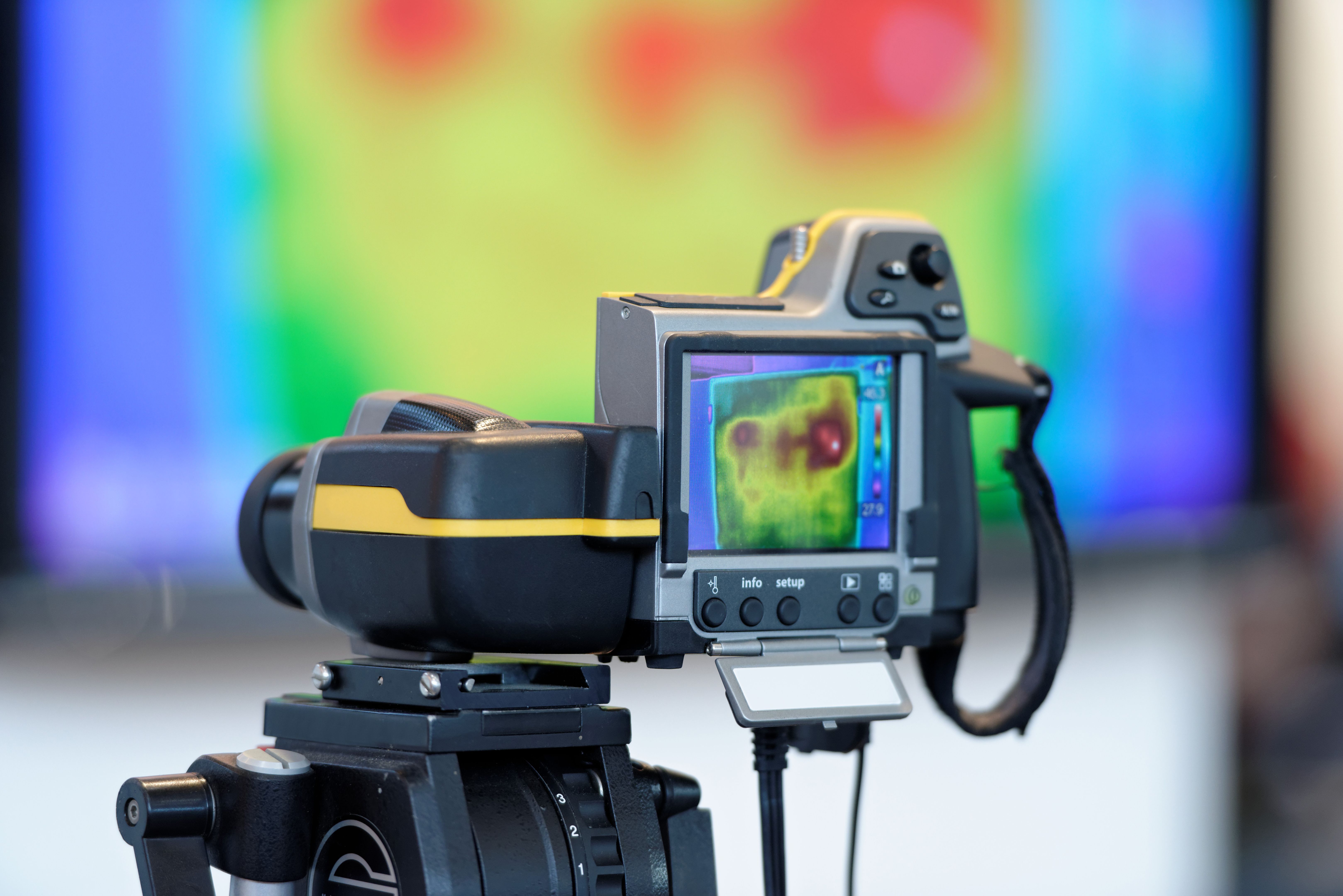
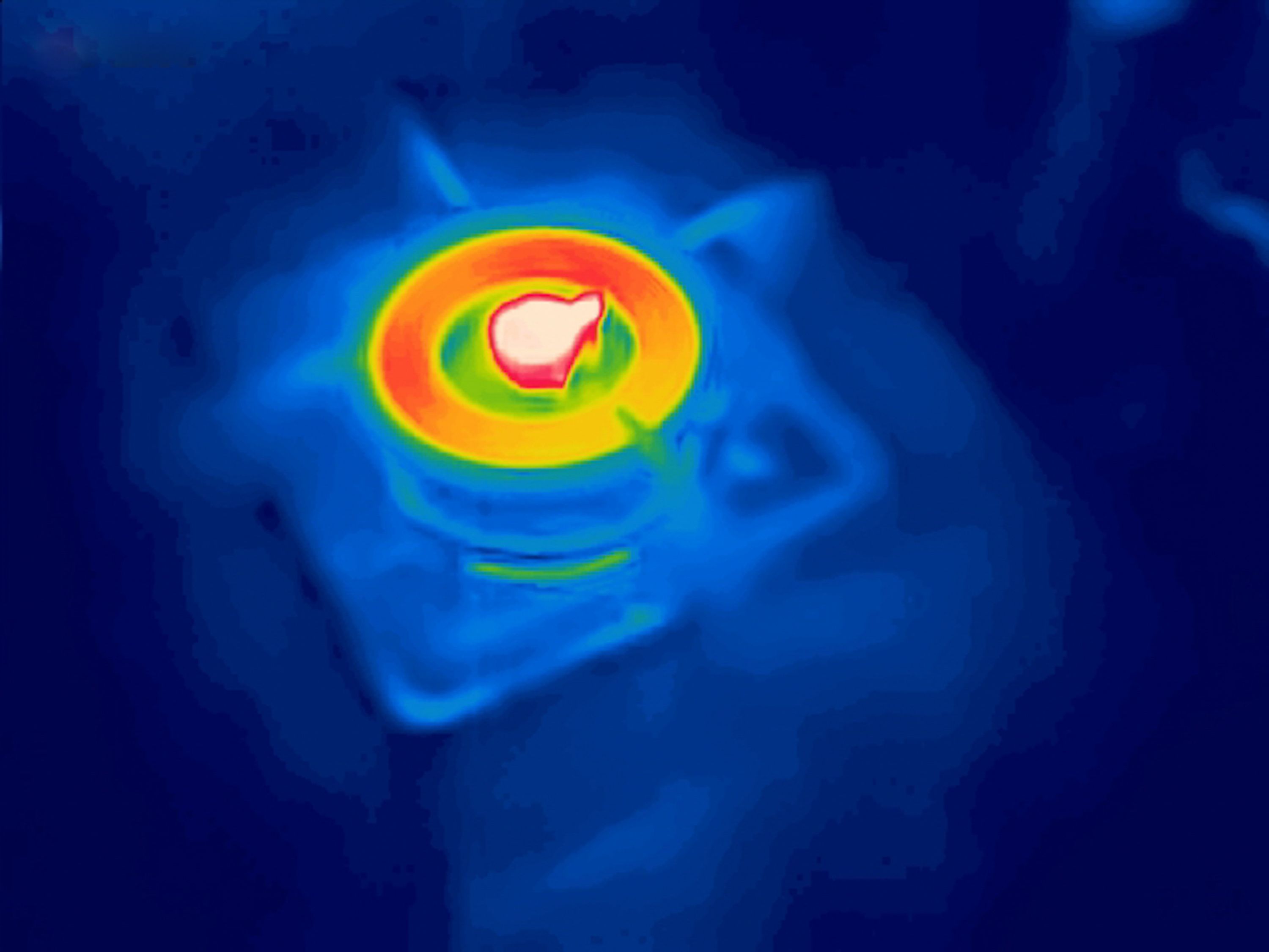
At the core of infrared camera inspections is the science of thermography. Infrared cameras measure the infrared radiation emitted by objects, which correlates to their temperature. This information is then converted into an image, where different colors represent varying temperatures. Warmer areas might appear in reds and oranges, while cooler areas show up in blues and purples.
Thermal imaging is non-invasive and safe, making it an ideal choice for checking hard-to-reach areas or delicate equipment. It allows inspectors to monitor systems without disrupting their operation, providing real-time data on potential problems.
Applications of Infrared Camera Inspections
Infrared camera inspections are used across various applications, each benefiting from the unique insights provided by thermal imaging:
- Building Inspections: Detect heat loss, insulation deficiencies, and moisture intrusion.
- Electrical Systems: Identify overloaded circuits, faulty connections, and other electrical hazards.
- Mechanical Systems: Monitor the condition of motors, bearings, and other machinery components.
Benefits of Using Infrared Camera Inspections
One of the primary benefits of infrared camera inspections is the ability to detect problems early, often before they become serious. This proactive approach can lead to significant cost savings, as issues can be addressed before they result in major repairs or downtime.
Additionally, thermal imaging provides a visual and measurable way to document the condition of assets. This documentation can be invaluable for maintenance records, insurance assessments, and compliance with industry standards.
Choosing the Right Infrared Camera
Selecting the right infrared camera is crucial for achieving accurate and reliable results. Factors to consider include resolution, temperature range, and sensitivity. Higher resolution cameras provide more detailed images, while a broader temperature range allows for a wider variety of applications.
Some cameras also offer advanced features such as Wi-Fi connectivity, which enables remote monitoring and sharing of images. Understanding the specific needs of the inspection will guide the selection of the appropriate equipment.
Conclusion: The Future of Infrared Inspections
As technology advances, infrared camera inspections continue to evolve, offering even more precise and versatile solutions. The integration of artificial intelligence and machine learning is expected to enhance the capabilities of thermal imaging, making it an indispensable tool in the future of diagnostics and maintenance.
Whether you're a professional in the field or simply interested in the technology, understanding how infrared camera inspections work provides valuable insight into their impact across industries. By embracing this technology, businesses and individuals can ensure efficiency, safety, and longevity in their operations.