
How Infrared Camera Inspections Work: A Deep Dive


Understanding Infrared Camera Inspections
Infrared camera inspections are a powerful tool used in various industries to detect issues that may not be visible to the naked eye. By capturing images based on heat signatures, these cameras provide valuable insights that can help prevent costly repairs and improve safety. Let's explore how these inspections work and why they are essential.
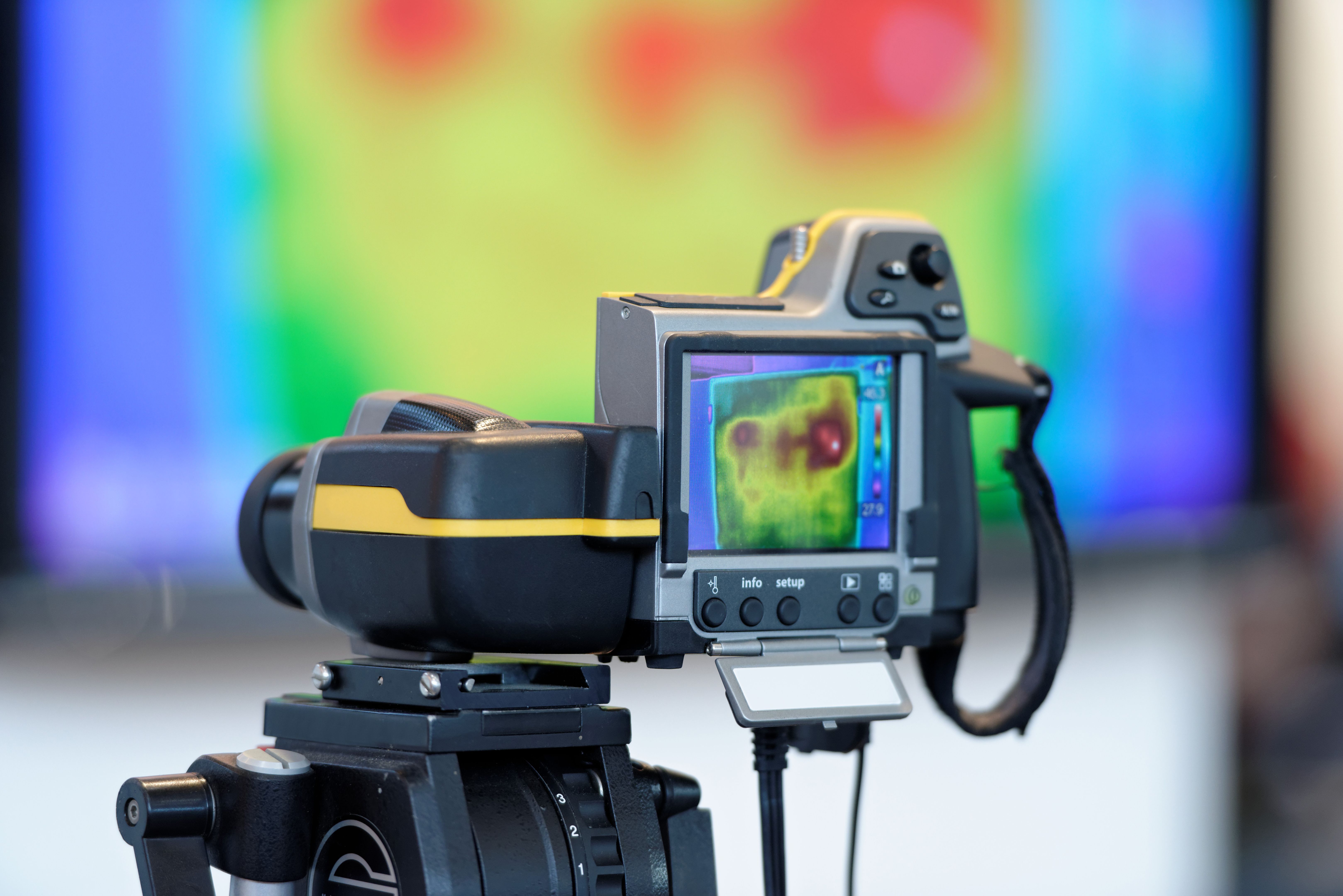
Infrared cameras detect infrared radiation, which is emitted by all objects based on their temperature. This radiation is invisible to the human eye, but infrared cameras translate it into images that display temperature variations. These variations can reveal hidden problems such as electrical faults, insulation deficiencies, and moisture intrusion.
The Science Behind Infrared Technology
The principle behind infrared technology is the detection of thermal energy. Infrared cameras are equipped with sensors that capture infrared radiation, which is then converted into electronic signals. These signals are processed to create a thermal image, where different colors represent varying temperatures.
This technology allows inspectors to see temperature differences as small as 0.1°F. Such precision can identify issues early, preventing further damage and saving on repair costs. By visualizing heat patterns, inspectors can diagnose problems without needing to dismantle equipment or structures.
Applications Across Industries
Infrared camera inspections are utilized across various sectors, including electrical, mechanical, building, and medical fields. In electrical systems, they can identify overloaded circuits, loose connections, and other potential hazards. In buildings, they help locate insulation gaps, moisture leaks, and structural defects.
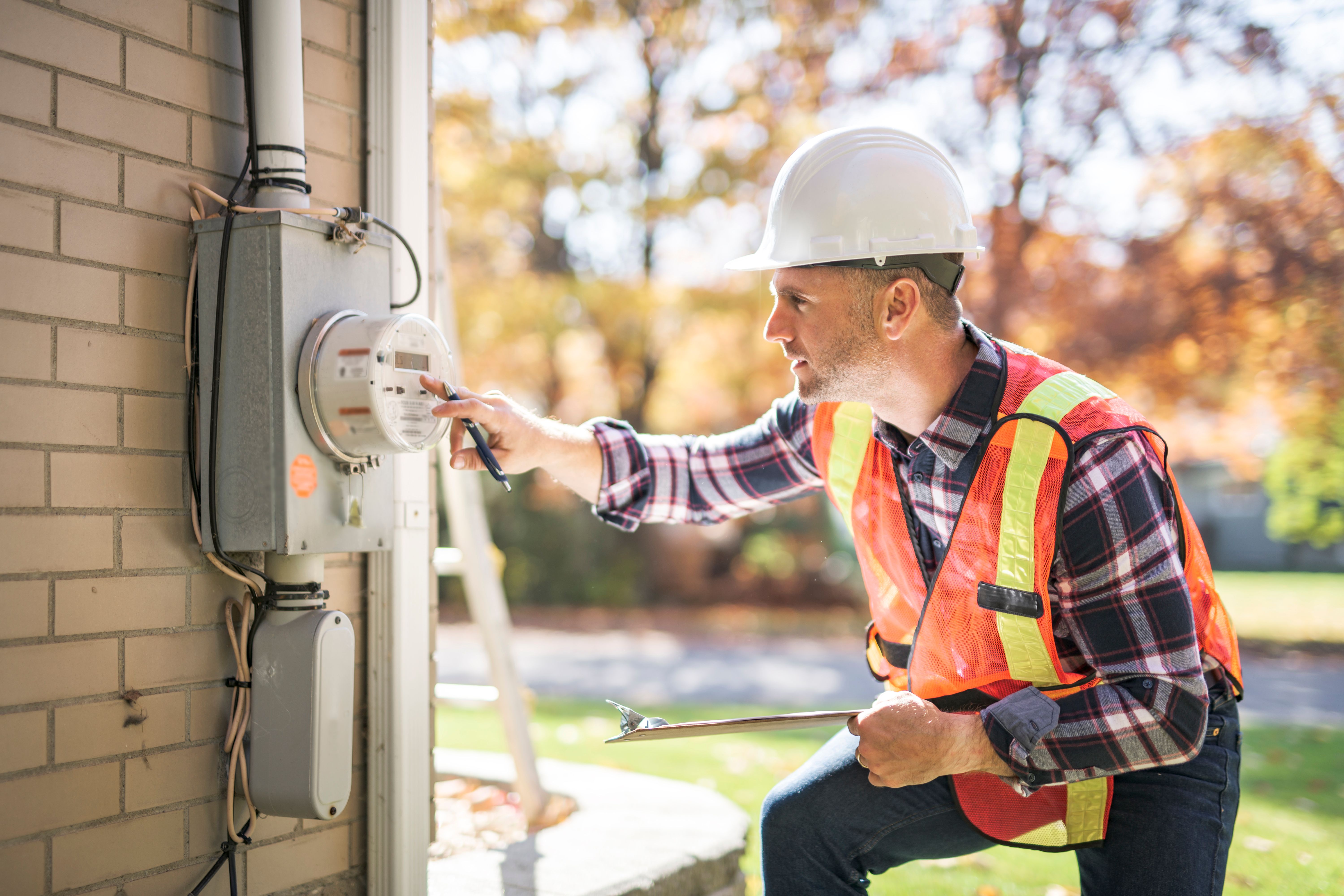
In the mechanical realm, infrared inspections can monitor equipment conditions, detecting wear and tear before it leads to failure. This proactive approach enhances efficiency and prolongs the lifespan of machinery. Even in healthcare, infrared technology plays a role in monitoring body temperature and circulation.
The Inspection Process
The inspection process typically involves several steps. First, the inspector conducts a visual examination to identify potential problem areas. Then, they use the infrared camera to scan the targeted regions, capturing images that highlight temperature anomalies.
- Visual Examination
- Infrared Scanning
- Image Analysis
- Report Generation
Once the images are captured, they are analyzed to determine the underlying issues. A detailed report is then generated, outlining the findings and suggesting corrective actions. This comprehensive approach ensures that problems are accurately diagnosed and addressed promptly.
Benefits of Infrared Inspections
Infrared inspections offer numerous benefits. They are non-invasive, meaning there is no need to disrupt operations or damage structures during the inspection. They are also efficient, allowing for quick scans of large areas and immediate identification of issues.
Moreover, the use of infrared technology enhances safety by identifying potential hazards before they escalate. By addressing problems early, businesses can avoid costly repairs, reduce downtime, and ensure compliance with safety regulations.
Conclusion
Infrared camera inspections are a crucial aspect of modern maintenance and safety practices. By leveraging the power of thermal imaging, these inspections provide deep insights into hidden problems, enhancing efficiency and safety across various industries. As technology continues to advance, the applications and benefits of infrared inspections are likely to expand, solidifying their role as an invaluable diagnostic tool.